
New stock listed the day it lands, every SKU priced against the market, every shopper answered.
You don't pay a dollar until it's built and working.
All discovery is free. Each piece is billed only once it is running in your business.
ThirdAxis builds the systems behind online and multichannel stores, connected to the platforms you already run: a listings pipeline from vendor spreadsheet to storefront, an inventory and pricing desk that scores every SKU overnight, one operations portal across your channels, and a store assistant that answers shoppers from your own catalog. The screens below are drawn for a golf retailer, the retail work we have in production. The same systems fit any catalog.





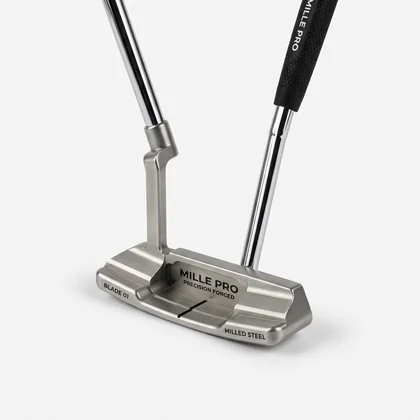
- Last sale
- 61 days ago, all channels
- On the shelf
- $7,192 at cost
- Tracked sellers
- $249 and $254
- Vendor return window
- Closes Oct 31
Concept. Every SKU scored overnight against sales, stock, cost, and tracked competitor prices, with the call and the reason waiting for the buyer.
Where a store’s margin goes.
Shoppers who leave with a question unanswered, stock bought in the wrong amount, and products that come back because the listing did not match. The figures below are industry-wide.
on average across the studies compiled by the Baymard Institute. Delivery times, return policies, and total cost are among the reasons shoppers give most often.
the yearly cost to retailers worldwide of out-of-stocks and overstocks, as estimated by IHL Group. Out-of-stocks account for most of it.
across US retail, about $890 billion, per the NRF and Appriss Retail. Listings and answers that match the product are one part of that a store controls.
The catalog, the stock count, and the shipping costs live in different systems, and someone rekeys between them every day.
Our retail work is in production.
On a recent 90-day engagement we joined seven platforms into one operating portal, automated listings from vendor sheet to storefront, launched a branded sales assistant, and gave the owner a report that builds itself every Monday. The stores below run on software we built, and they own it.



The constraint in most stores is the hours between a vendor shipment and a sellable listing, and between a sale and knowing whether it made money. Those are the hours the systems below give back.
The systems we build for retailers.
The pricing desk is above. The listings pipeline below is a working demo you can watch run. The portal and the assistant cover what happens after the sale.
A listings pipeline from vendor sheet to storefront.
Drop in the vendor’s spreadsheet, however cryptic. Each row is parsed into attributes, written up as a listing with photos, priced by your rule against MAP and tracked competitors, checked against each channel’s restrictions, and queued for a buyer to approve. Approved listings publish to Shopify, Amazon, and eBay, directly or through ChannelAdvisor.
Live demo. Scripted and running in your browser, with no real store data behind it.
One operations portal across every channel.
Orders from every storefront and marketplace in one list, with the freight from your shipping software and each channel’s fees joined to the order, so you see what each sale actually made. One SKU master across systems, and a weekly report that builds itself and points at the problems worth fixing.

- Cart bags on Amazon. Oversize freight averaged $38.60 against $22 charged, across 14 orders.
- Rangefinders on Walmart are selling under cost after fees. Raise to $299 or pull the listing.
- Spikeless shoes have 1.6 weeks of cover. Reorder drafted for 36 pairs.
In the owner’s inbox Monday at 7 AM. Every figure links to the orders behind it.
A store assistant for chat and email, with your team behind it.
Shoppers ask about fit, specs, shipping, and returns at the moment they are deciding. The assistant answers on every product page and in your support inbox from your catalog, policies, and order system, in your store’s voice. Price requests, fittings, and damaged orders go to the right person with a summary and the conversation attached.

Shopper in Madison, WI. 15 handicap, game-improvement irons in steel regular in the cart at $649. Asked for a better price. Full conversation attached.
Answers only from your catalog, policies, and order system. Anything else goes to a person, with the whole conversation attached.
And more we build for stores.
Closeout buying intelligence
A vendor's closeout sheet scored against your own sales, margins, and stock before you buy, so the order is only the units that will sell.
Ask your sales data a question
Anyone on the team asks in plain English, by channel, brand, or week, and gets the number with the orders behind it. No report to build.
Returns and exchanges desk
Return requests checked against your policy and the original order, labels drafted, and restocking or refurbishing routed, with exceptions sent to a person.
Email and SMS from real purchases
Replenishment, back-in-stock, and post-purchase flows in Klaviyo driven by what each customer actually bought, written in your voice and approved before they send.
MAP and listing monitoring
Sellers below MAP, hijacked listings, and suppressed products found every day across the marketplaces, with the evidence gathered for your team.
Purchase order follow-up
Open POs tracked against vendor confirmations and ship dates, with late shipments flagged and the follow-up to the rep drafted.
Some of this already exists. We would not rebuild it.
Your storefront takes the orders, the marketplaces bring the traffic, and your inventory and shipping tools keep count. What sits between them today is your team, rekeying and checking. That is the part we build.
How we work with a retailer.
Nothing goes live without approval.
Listings, price changes, purchase orders, returns, and campaigns are drafted and held. A person on your team approves each one, and every change is logged.
Built on the platforms you already run.
Your storefront, your marketplaces, your inventory and shipping tools. We connect to the stack you have rather than ask a small team to learn a new one.
Production systems, owned by you.
Each system is scoped and priced on its own and billed once it is running on your own catalog and orders. The code and the accounts are yours.
- Your team approves every change
- Hands off to a person when unsure
- You own the code
The screens on this page are concepts prepared for discussion, not finished software. The products, prices, stock counts, orders, freight, fees, sales figures, conversations, and dates shown in them are invented and describe no real store or customer. The listings demo is scripted and runs without real data. The figures in the production section describe a past ThirdAxis engagement; the store logos link to retailers running software we built. The stockroom and product photos are generated images or demo assets. Industry figures are from the Baymard Institute’s cart abandonment research, IHL Group’s inventory distortion study, and the consumer returns report by the NRF and Appriss Retail. Platform names are examples of what we connect to, not a claim of partnership. Nothing here has been scoped or priced; that is what a first call is for.
Start with one vendor sheet.
A short call on which channels you sell on, where listings and stock counts slow down, and which part of the catalog to start with. Reach Roman directly at roman@thirdaxis.ai.